What the Housewife Can Do
-
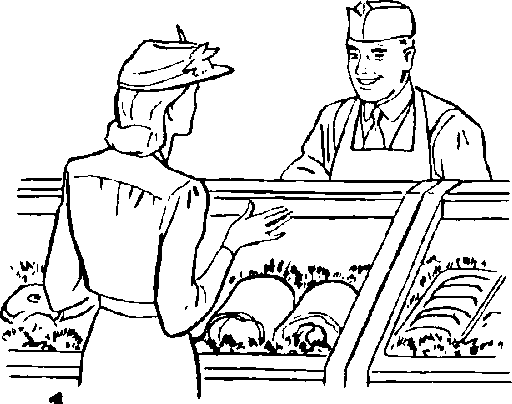
Use available meats. Learn to prepare the cuts which are available from day to day, even though you have never served them before. All can be deliciously prepared.
-
Conserve in cooking . . . moderate, even temperatures mean less shrinkage–less loss of food values.
Roasting Timetable
Oven temperatures: 300°F. for smoked pork, lamb and veal; 350°F. for fresh pork.
| Thermometer Reading* | Minutes per Pound | ||
|---|---|---|---|
| Beef– | rare | 140°F | 18-20 |
| medium | 160°F | 22 to 25 | |
| well-done | 170°F | 27 to 30 | |
| Pork– | fresh (always well-done) | 185°F | 30 to 35 |
| **smoked | 170°F | 25 to 30 | |
| Lamb | 180°F | 30 to 35 | |
| Veal | 170°F | 25 to 30 |
*Internal food temperature when removed from oven.
**Hams which are specially processed for tenderness require shorter cooking time. These hams should be cooked to a lower internal temperature (150°-160°F.), allowing 20-22 minutes per pound.
-
Learn how to braise meat properly. Many of the available cuts will require braising rather than broiling or pan-broiling. Meat dishes most commonly prepared by braising are:
Beef pot roasts
Swiss steak
Country Fried steak
Flank steak
Pork shoulder steaks and chops
Lamb shanks, breast and neck slices
Veal shoulder steaks or chops
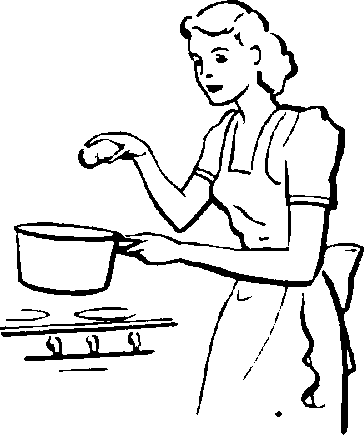
Braising is simply a method of browning meat quickly, adding very little water and cooking slowly in a tightly covered pan which keeps the moisture in.
-
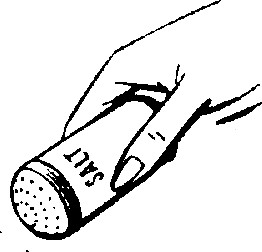
Season meat with salt and pepper.
-
“Dredge” (or sprinkle) with flour, if desired.
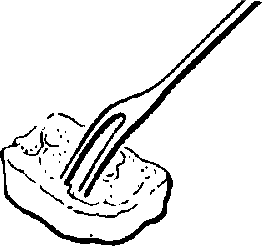
- Brown meat on all sides in hot fat. (The fat may be that which melts out of the meat or may be added.)

- Add small amount of liquid, if necessary. If liquid cooks away, a little more may be added.
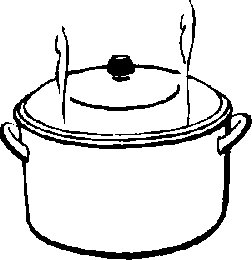
- Cover tightly.
- Cook at simmering temperature on top of range or in a slow oven, until tender.
-
-
Learn how to make a good stew.
A stew is always popular and is practically a meal-in-one. Tasty stews can be made from beef, veal, or lamb. Here are the simple rules for making a stew:
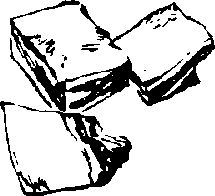
- Have meat cut into small, uniform pieces. Season with salt and pepper.
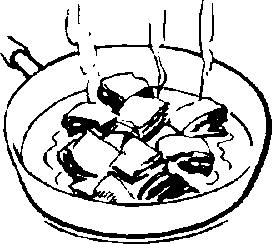
- Brown on all sides if desired in own fat or hot lard.
- Cover meat with hot water.
- Cover kettle closely.
- Cook slowly until the meat is tender. Do not boil. Meat should be cooked at a simmering temperature.
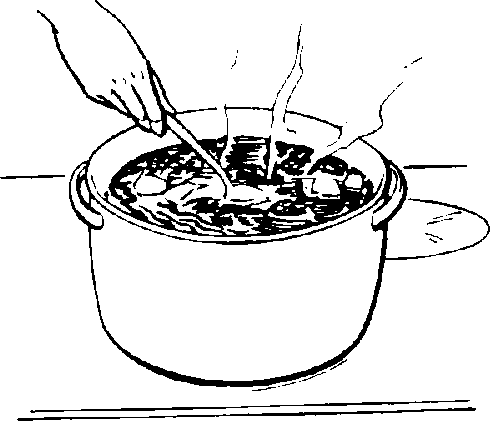
- Add vegetables just long enough before meat is tender to be done, but not overcooked.
- Thicken liquid for gravy. Serve with meat or in separate dish.
-
Extend meat with other foods.
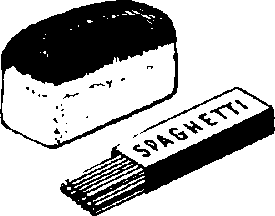
Meat with cereals
Meat loaf made with breadcrumbs or oatmeal.
Braised meat with noodles
Meat pie
Stuffed meats
Stew with dumplings
Curry with rice
Meat balls or sauce or cooked sausage meat with spaghetti or macaroni

Meat with vegetables
Stew or pot roast with vegetables
Ground meat baked in vegetables
Ham shanks with beans
Tongue and spinach
Braised oxtails or short ribs with vegetables
Baked lima beans and bacon squares
Shepherd’s pie (mashed potato topping)

Meat with eggs
Diced or ground meat in omelets or souffles
Cooked sausage meat scrambled with eggs
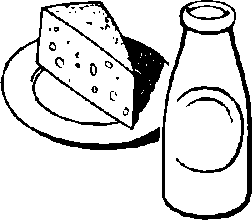
Meat with milk or cheese
Creamed meat
Salt pork or bacon squares with cream gravy
Ham and cheese sandwich
Bacon or ham with toasted cheese
Meat in soup
Beef barley soup made from soup bone
Oxtail soup with vegetables and rice
Split pea soup with ham bone
-
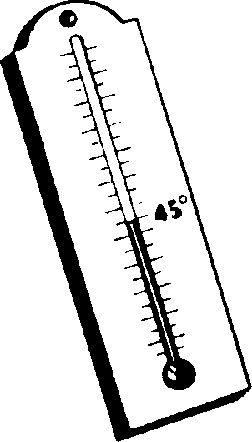
Store meat safely. Keep it in the coldest part of the refrigerator or your coldest storage space. A temperature of 45° Fahrenheit or lower is needed. Be doubly careful of ground raw meat. It spoils more quickly than meat in one piece. If you have no refrigerator, buy meat only shortly before you intend to use it.
-
Serve attractively. Don’t let food go to waste after it is served.
-
Vary the seasonings. This is important when meat choice is limited and you have to serve the same kind of meat over and over.
AMERICAN MEAT INSTITUTE
Principal Office, Chicago